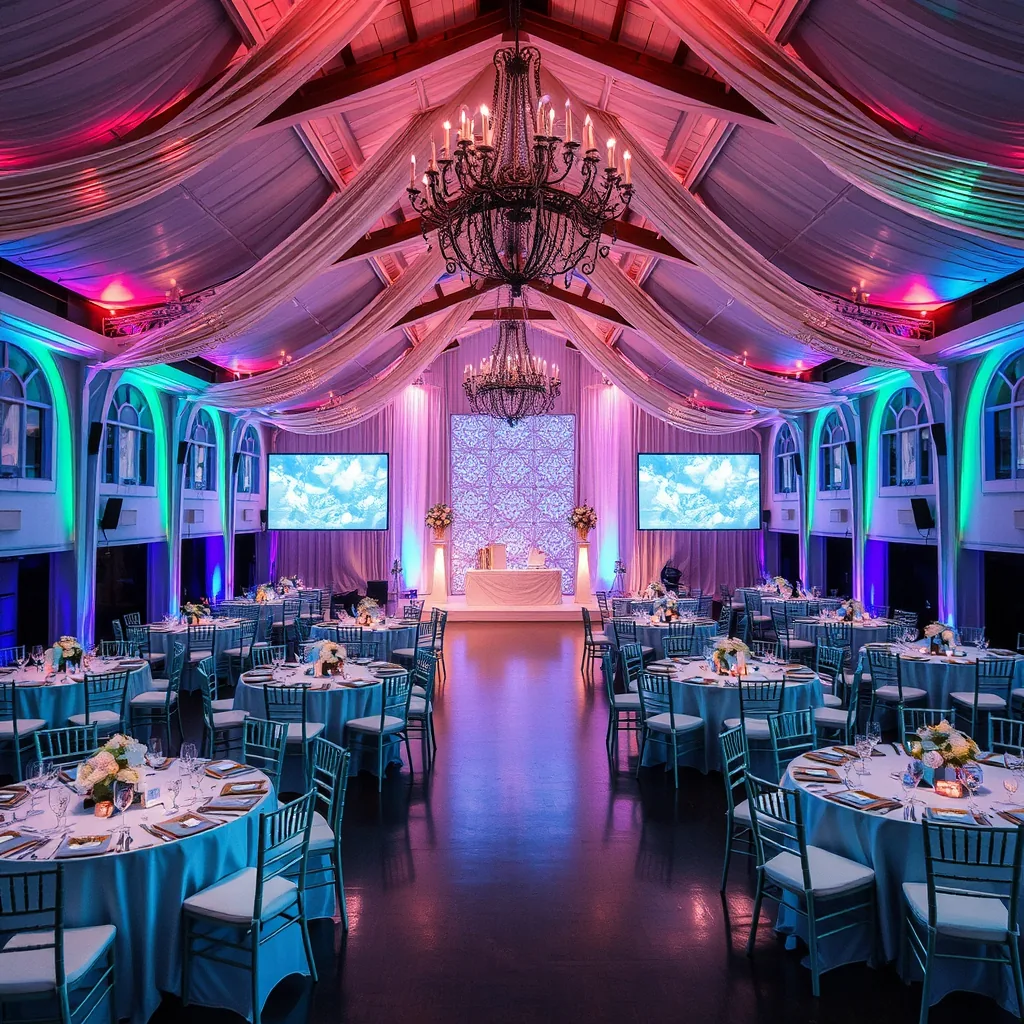
Every well-planned event starts with a conversation about purpose. What is the occasion, who is attending and what should the experience achieve? A useful brief brings together the guest count, preferred date, venue needs, budget priorities and the moments that matter most. This gives the planning team a shared direction before creative ideas become commitments.
Turn the vision into a practical plan.
A venue visit helps translate the concept into reality. Access for equipment, power requirements, seating, catering service and space for performances all influence the design. For outdoor gatherings, weather alternatives deserve the same attention as the main plan. Working through these details early helps identify trade-offs while there is still time to make thoughtful decisions.
Give every team the same picture.
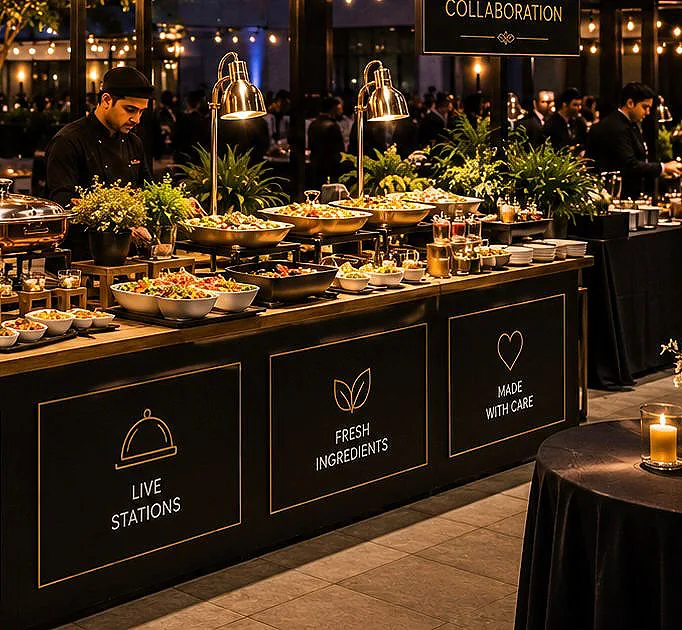
Décor, sound, lighting, catering and entertainment teams need clear responsibilities and coordinated timings. A run of show maps setup, guest arrival, key moments and pack-down, with a named person responsible for each transition. Checking the plan together helps prevent a small delay in one area from disrupting the whole evening.
On the day, the work is about observation as much as execution: checking the room before guests arrive, keeping teams informed and adjusting the pace when needed. Good coordination gives hosts the freedom to be present. The best sign of careful planning is often that guests never have to notice it.